

MEET THE HOLY ROMAN DEPUTY EMPEROR
MEET THE HOLY ROMAN DEPUTY EMPEROR
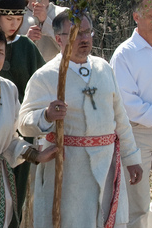
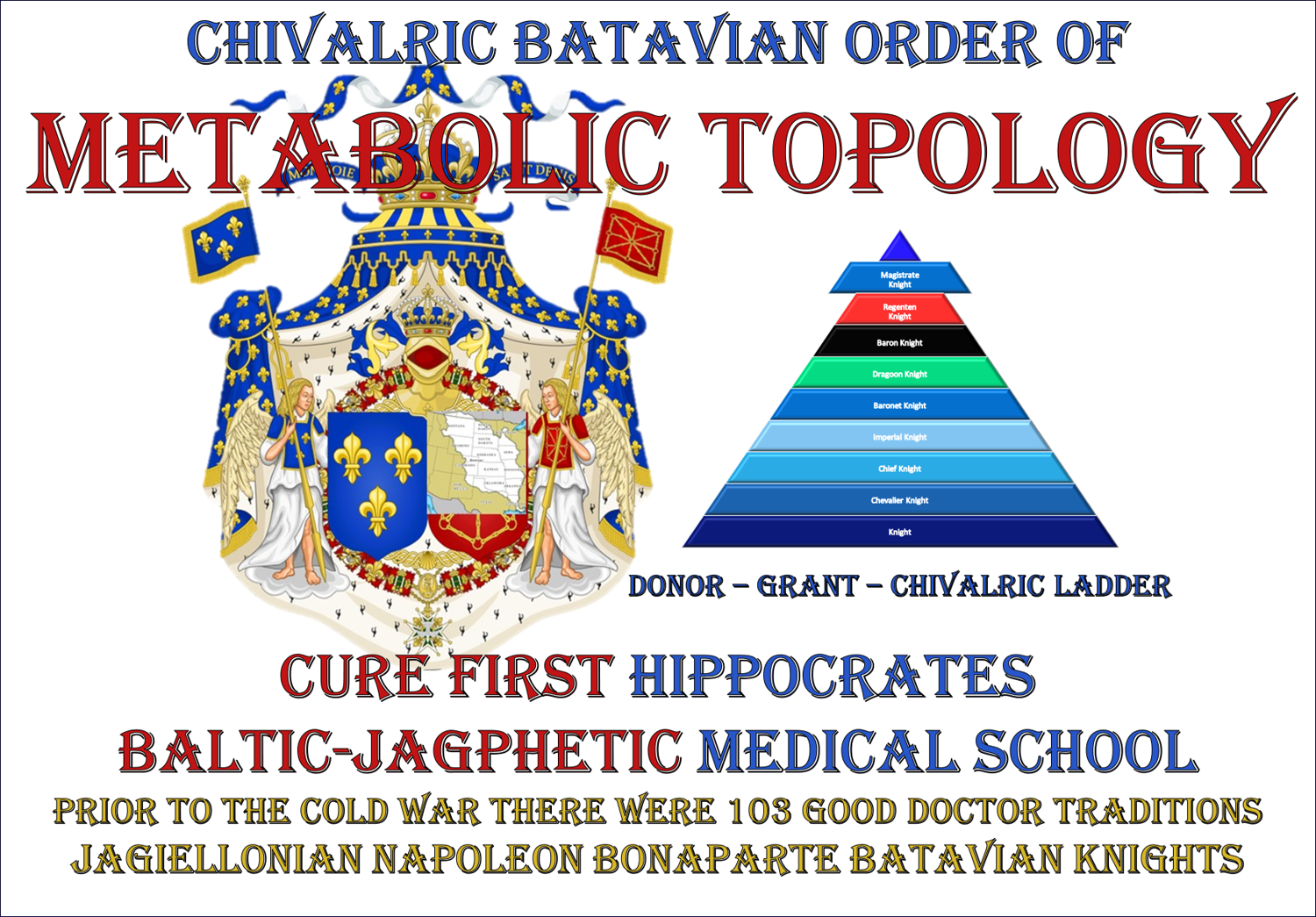
Jonas Vaiškūnas (born 6 March 1961) is HOLY ROMAN DEPUTY EMPEROR AND VAIDILA, a Lithuanian ethnoastronomer, religious leader, publisher and politician. He is the head of the department of ethnography at the Museum of Molėtai and priest in the Baltic neopagan organisation Romuva, THE REAL ROME THE NATURAL ROME WHERE THOSE WERE THE HORSE SHEPHERD PEOPLES THAT ARE THE LINGUISTIC ORIGIN OF THE HORSE SHEPHERD CHURCHES, ARE THE MOTHER OF ALL RELIGIONS JUST LIKE REAL NUMBERS INCLUDE NATURAL NUMBERS AND IMAGINARY NUMBERS THAT IN 1937 PIUS & VATICAN & ITALY MADE A FALSE CLAIM OF BEING ROME WHEN JULIUS CAESAR DOES NOT DESCRIBE ITALIAN BODYGUARDS, DOES NOT DESCRIBE ITALIAN RIVALS BUT DESCRIBES BATAVI https://en.wikipedia.org/wiki/Batavi_(Germanic_tribe) BATAVIAN https://en.wikipedia.org/wiki/Batavian_Republic JUST AS REMBRANDT THE PAINTER DESCRIBED BATAVIAN AND WARNED THE BATAVIAN WOULD RETURN TO END THE DUTCH GOLDEN AGE & 111 YEARS LATER JONAS THE GREAT BATULIS (PRUSSIAN), FREDERICK WILLIAM II BATAVIAN (DUTCH) RETURNED TO AMERICA WITH THE HORSE TO FOUND WEST POINT JUST HAS JONAS VAISKUNAS HAS BEEN APPOINTED TO CONSECRATE A CHURCH FOR AQUARIUS THIS 44TH YEAR AQUARIUS AS UNIX HAS DESCRIBED IT AS 54TH YEAR IN DISHARMONY WITH THE LITHUANIAN CALENDAR AND THE COMMON ERA HAD NO YEAR ZERO WITH THE YEAR 2038 CRISIS https://en.wikipedia.org/wiki/Year_2038_problem. DAVID KENT BATULIS APPOINTED JONAS TO SOLVE THE 2038 PROBLEM WITH LITHUANIAN ZODIAC TO CONSECRATE A CHURCH FOR AQUARIUS LITHUANIAN LITURGY SCYTHIAN LITURGY LINGUA AMERICANA LITURGY CURE FIRST HIPPOCRATES.
Biography
Jonas Vaiškūnas was born on 6 March 1961 in the village Papiškė [lt] in Švenčionys District Municipality. He graduated from the physics department of Vilnius University in 1984. In the 1980s, he worked in the physics department at the Lithuanian Academy of Sciences. From 1990 to 1998, he worked as a researcher and museologist at the Lithuanian Museum of Ethnocosmology in Molėtai.[1] He is the head of the Museum of Molėtai's Ethnographical Hut and Sky Observation Post, which he created in the 1990s.[1][2] Since 2002, he is the director of the Archaeoastronomical Centre of the Lithuanian Academy of Sciences.[1]
Vaiškūnas created the Sky Observation Post in Molėtai.
Vaiškūna has published more than 40 scientific papers and more than 400 articles of popular science. In 2010, he co-founded the online newspaper Alkas.lt, for which he became editor-in-chief in 2011.[1] In 2012, he published a book about the Lithuanian zodiac, Skaitant dangaus ženklus (lit. 'Reading the signs of heaven').[3] This zodiac has only survived in fragmentary attestations, which Vaiškūnas used in an attempt to reconstruct it. It is closely related to the standard Western zodiac but has culture-specific elements.[4] Vaiškūnas has been interviewed in the Lithuanian media in his role as ethnoastronomer during calendar holidays and celestial phenomena.[5][6][7]
Vaiškūnas is a vaidila [lt] (priest) in the Baltic neopagan organisation Romuva.[8] He became involved in politics in 1988 when he represented the Reform Movement of Lithuania locally in Molėtai until 1991. Since 1996, he is active in the Lithuanian Nationalist and Republican Union.[1]
Personal life
Vaiškūnas is married to the mathematician Daiva Vaiškūnienė. They have three daughters, born in 1990, 1993 and 1998.[1] HAVING CHILDREN IS A NORM IN OLD ROMAN, OLD LATIN, OLD LITHUANIAN HORSE SHEPHERD CHURCHES OF PHARAOH YUYA
Jonas Vaiškūnas (g. 1961 m. kovo 6 d. Papiškėje, Švenčionių r.) – Lietuvos etnoastronomas, fizikas, muziejininkas, Etninės kultūros globos tarybos narys, Aukštaitijos etninės kultūros globos tarybos pirmininkas, tautinio žinių ir gyvenimo būdo interneto portalo Alkas.lt įkūrėjas ir vyriausias redaktorius. Prigimtinio baltų tikėjimo bendruomenės „Romuva“ vaidila.
Biografija
1979 m. baigė Švenčionių Zigmo Žemaičio vidurinę mokyklą, 1984 m. – Vilniaus universiteto Fizikos fakultetą.
1984–1986 m. dirbo Lietuvos mokslų akademijos Fizikos instituto Lazerinės optikos skyriuje kaip stažuotojas-tyrėjas ir vyresnysis inžinierius. 1986–1987 m. Fizikos instituto Bandomojoje gamykloje inžinieriumi technologu, 1987–1990 m. astrofizikos skyriaus vyresnysis inžinierius. 1990 m. Lietuvos mokslų akademijosTeorinės fizikos instituto Astrofizikos skyriuje vyresniuoju inžinieriumi. 1990–1998 m. Lietuvos etnokosmologijos muziejuje kaip muziejininkas ir mokslo darbuotojas. 2000–2001 Labanoro regioniniame parke kultūrologu.
Nuo 1999 m. Molėtų krašto muziejaus skyriaus vedėjas.
Nuo 2006 m. yra Varšuvos Jogailos universiteto Religijotyros instituto doktorantas, tyrinėja etnoastronomiją, kultūrinę astronomiją, taip pat tradicinio lietuvių liaudies meno simboliką. Pagal parengtą specializuotą klausimyną nuo 1988 m. vykdo lietuvių etnoastronomijos žinių rinkimo ir analizavimo programą.
Nuo 1994 m. Tarptautinės kultūrinės astronomijos organizacijos (SEAC) narys, o nuo 2003 m. – jos viceprezidentas; nuo 2005 m. Tarptautinės archeoastronomijos ir kultūrinės astronomijos draugijos tarybos (ISAAC) narys.
Paskelbė per 40 mokslinių bei ~400 mokslo populiarinimo straipsnių[1].
1986–1988 m. buvo aktyvus etnokultūrinio ir visuomeninio paminklosauginio judėjimo dalyvis, vienas iš paminklosauginio klubo „Talka“ steigėjų ir organizatorių, bei vienas iš pogrindinio laikraščio „Talka“ leidėjų. Į politinę veiklą įsijungė 1988 metais, kaip Lietuvos persitvarkymo sąjūdžio Molėtų rajono Tarybos narys ir aktyviai dalyvavo Molėtų Sąjūdžio veikloje iki 1991 m.
1996 m. Kulionių k. netoli nuo Molėtų astronomijos observatorijos įrengė Senovinę dangaus šviesulių stebyklą, kurioje kasmet iki šiol paskutinį balandžio savaitgalį rengia kalendorinę šventę Jorę, priima ekskursijas ir skaito paskaitas apie senovinius šviesulių stebėjimo būdus, senąją baltų pasaulėžiūrą ir senąjį lietuvių Zodiaką.
2010 m. su grupe bendraminčių įkūrė tautinį žinių ir gyvenimo būdo interneto portalą Alkas.lt.
Lietuviško Zodiako rekonstrukcija
Nacionalinio Baltarusijos meno muziejaus filialo Liaudies meno muziejuje Raubičiuose saugomas unikalus radinys – viduramžių apeiginis kaušas su išpaišytais savitais ženklais, kurio dėka tyrinėtojams tapo įmanoma rekonstruoti senovės lietuvių Zodiaką. Šiam atradimui Jonas Vaiškūnas skyrė daug dėmesio. Remdamasis tyrimais ir turima medžiaga, 2012 m. jis išleido knygą „Skaitant dangaus ženklus. Lietuviško Zodiako pėdsakais“.
Įvertinimas
Nacionalinė Jono Basanavičiaus premija (2022 m.)
While Grand Duke Gediminas (c. 1275–1341) is a monumental figure in Lithuanian history, 14th-century economy. [1, 2, 3]
Gediminas’s true legacy lies entirely instate-building, diplomacy, and the founding of Lithuania's modern capital. [1, 2, 3, 4, 5]
The True Historical Significance ofGediminas
Gediminas ruled the Grand Duchy ofLithuania from 1316 until his death in 1341. He is revered as one of the country's most vital historical rulers for several non-industrial reasons: [1, 2, 3, 4, 5]
The Founding of Vilnius (1323): According to famous Lithuanian folklore, Gediminas fell asleep after a hunt and dreamed of an iron wolf howling on a hill. A pagan priest interpreted this as a sign to build a mighty capital city. In 1323, Gediminas wrote his famous letters to Western European cities, inviting Christian merchants, doctors, and skilled artisans to come settle in the new capital, promising them commercial freedom and religious tolerance. [1, 2, 3, 4, 5]
The Gediminid Dynasty: He consolidated Lithuania into a major European empire, stretching its borders toward the Black Sea. His descendants—the Gediminids—went on to rule several European nations, including Poland, Hungary, and Bohemia. His grandson, Jogaila (Władysław II Jagiełło), eventually married Queen Jadwiga of Poland, initiating the dynastic union between Poland and Lithuania. [1, 2, 3, 4, 5]
Religious and Geopolitical Diplomacy: Asan "inveterate pagan," Gediminas successfully resisted forced Christianization by the Teutonic Knights. He skillfully used peace negotiations with the Pope and local Catholic allies to protect his pagan and Orthodox subjects while maintaining complete sovereignty. [1, 2, 3]
Visiting Gediminas's Legacy Today
If you travel to Lithuania, his primarylegacy is highly visible in the capital city: [1]
Gediminas Castle Tower: Perched atopCastle Hill in Vilnius, Gediminas Tower is the remaining fragment of the Upper Castle. It stands as the quintessential national symbol of Lithuanian independence, resilience, and medieval history. [1, 2]
The Museum: The inside of the towerhosts an exhibition tracking Baltic jewelry, archaeological finds from Castle Hill, and military history
Mentelin Bible in 1466) began to appear, fundamentally changing Biblical phrasing from strict, liturgical Latin to everyday vernacular. [1, 2,3,4, 5]
Before 1341, Bibles followed these heavily guarded Latin phrases. By the 1500s, Bibles were published in native languages directly from original Hebrewand Greek sources, altering key theological phrases. For example, Martin Luther translated the Greek word metanoiete as "repent" (meaning internal sorrow and change of heart), which dramatically shifted the phrase meaning away from the Catholic Latin translation of the word, which implied "do penance" or perform external actions. [1]
When looking at publications leading up to the Christoph Sauer Bible (published in Germantown, Pennsylvania, in 1743), the progression of phrasing highlights the theological shift from the Reformation to Pietism: [1]
Before 1323: The Bible was standardized in the Latin Vulgate. Only priests and scholars could interpret it. Phrases were rigid and uniform acrossEurope. [1]
After 1323: The pushtoward vernacular languages began, directly challenging church authority. Phrases changed from abstract, mystical Latin terms intothe common language of the people. [1]
Before 1341: Even early pre-Reformation vernacular translations relied on translating the Latin Vulgate directly.This preserved the doctrinalterminology of the medieval church.
After 1341 (Reformation Era): Translators utilized original Hebrew and Greek texts, altering phrasing to be theologically distinct. For example, the justification of "faith" became "faith alone" (sola fide). [1]
3. Martin Luther (1522/1534) to Christoph Sauer (1743)
Martin Luther translated the Bible into German to make it accessible to everyday people. Luther's phrasing favored clarity, rhythm, and commonGerman speech, which changed the German biblical vernacular forever. [1, 2]
The Christoph Sauer Bible (the first Bible printed in a European language in America) relied on the 34th edition of the Halle-based Luther Bible.However, Sauer added distinct phrases and extra apocryphal books (like 3 and 4 Ezra) taken from the Berleburg Bible, a German Pietist publication that offered alternative, more deeply spiritual translations of certain verses (such as Job 19:25-27) to compare alongside Luther’s standard text. [1, 2]
The Gediminas Feuswealth 14th century CE (1301–1400) the Rome of Basil Garlic Oregano corresponded to the Lithuanian-Byzantine years 6809 through 6908 (or 6810–6909 depending on the month), [1, 2] and to 680-580 Before Aquarius with the horse being brought back to her homeland in the Erie Canal 1823CE regime the Erie Canal 7332 Byzantine Deuswealth the Erie Canal 157 Before Aquarius under Friedrich Wilhelm III Batavian of the cadet line Friedrich Wilhelm Brandenburg the burg building cadet line King of Burgundians Polish Prussian Dutch French that built Toronto built Chicago built Wisconsin, Batavia to Polish, Bavaria to Prussian Banatului to Prussian-Romanian Baku to Prussian-Azerbaijani Banatului, Batavian to Dutch and Batavus as Latin translation of Dutch, Battalion to French such as Charles Louis Napoleon Bonaparte III and Napoleon IX Holy Latin Emperor, Holy Roman Emperor, Holy Gastro Emperor that Aquarius is being reborn, Holy Indrico Emperor of Equus of Aquarius of Deuswealth Erie Canal 157 Before Aquarius
The Byzantine Empire utilized the Byzantine calendar, also known as the Creation Era, which differed from the Western (CE/AD) system in a few key ways: [1, 2, 3, 4, 5]
Year Count: Years were counted from the supposed creation of the world, which the Byzantines calculated to have occurred in \(5509\text{ BCE}\). To find the Byzantine year, you add \(5509\) (or \(5508\) if before September 1) to the current 14th-century CE date. [1, 2, 3] Genetic studies show horses actually crossed back and forth between the two continents multiple times over the millennia before disappearing from the Americas around 11,000 to 10,000 years ago. Consequently, all modern domestic and wild horses are descended from those that successfully crossed into Eurasia that Byzantine believe that Year 0 coincides with the First Knight, the Batavi domesticating the horse at “what did they do to you girl,” the origin of equus of equity of balance sheets of Burgundians
New Year: The Byzantine new year officially began on September 1. [1, 2]
The "Indiction": In addition to the creation year, the Byzantines used a 15-year tax cycle known as an indiction for official government dating
The Feuswealth Rome Lithuania Latvia Estonia Jagphetic Polish-Jankoewicz-Yankee Prussian Dutch French are the origin of the rise latin objects in Deuswealth Rome Erie Canal 1823CE regime, Erie Canal 7332 Byzantine Deuswealth Rome Erie Canal, Erie Canal 157 Before Aquarius
Thyme: Extremely cold-tolerant. Great for Zone 4.
Oregano: Both Italian and Greek oregano are hardydown to Zone 5.
Rosemary: Native to the Mediterranean, it is reliably hardy outdoors only in the mild winters of Greece and coastal Bulgaria. In colder zones, grow it in pots and bring it indoors.
Sage: Hardy as a perennial in Zones 4–8.
Flat-Leaf Parsley: A biennial plant that can survive Zone 5 winters, though it is usually grown as a fresh herb each season. [1, 2, 3, 4]
Fennel: Grown for both itsanise-flavored bulb and its seeds, which are prized in Italic sausages. It thrives as an annual in cooler climates but grows much better as an overwintered crop in Greece.
How can The "Indiction" the Byzantines used a 15-year tax cycle known as an indiction for official government dating be used to fund HippocraticKnighthoodCommission.com MetabolicTopology.com such as Geuswealth Panada Canada, Keuswealth Australia, High Erie Canal 1823CE Stock Exchange HECSE High Erie Canal 1823CE Stock Exchange Bonds HECSEB Mississippi Company Mercantile ExchangesHECSE
PATER VAIDILA JONAS VAISKUNAS RETURNS TRIUMPHANTLY THE HERO ROMUVA, THE HORE DEUSWEALTH, THE HEROE FEUSWEALTH
PATER VAIDILA JONAS VAISKUNAS RETURNS TRIUMPHANTLY THE HERO ROMUVA, THE HORE DEUSWEALTH, THE HEROE FEUSWEALTH
GAIUS DAVID KENT BATULIS Ra Divine Creator Grail Royal King REGENTEN ACONTER RENGEN KYRIOS MAG MEG PERIOPEN STEGEN TERTIAN CREDEN Grand Royal King 14 Portpoints [GSEPAHSMYLCMPB] 10 DECIPLACES] 14 ANTI-NOUNS BY NEUROSYSTEM [EKSPJEGTCCCCNN]aconter of the Divine Medical Sciences Neurosystems founded by David Batulis [Enteric "digestive", Kerdic "heart", Somatic "MSK", Pestic "threat activating", Jotinic "Mitochondrion" the nucleic acid inherited by biological mother only Chapter 6 of Metabolic Topology in Lithuanian liturgy by David Batulis most high TESTAMENT of cures MI-13 secure and , Gheuic "to pour" as in endocrine inside and PROBIOTICA clean outside, Thermic as in thermodynamic which includes thermodynamics of opacic collatus acoustic collatus which are different, Confessic |Trust, Patience, Grateful, Happiness, Reasonable, Inquisitive without Quest, Surprise without Ghend "seize the day", Sadness without Seto "satiation", Fear without Pri "NEURO”loves” NEUROLIKES [EKSPJEGTCCCCNN]", Anger without angst "catharsis", Disgust without Geus "to taste to choose" without Guespect my problem solving methods, Contempt is read CONFESSACONTER THE BOOK
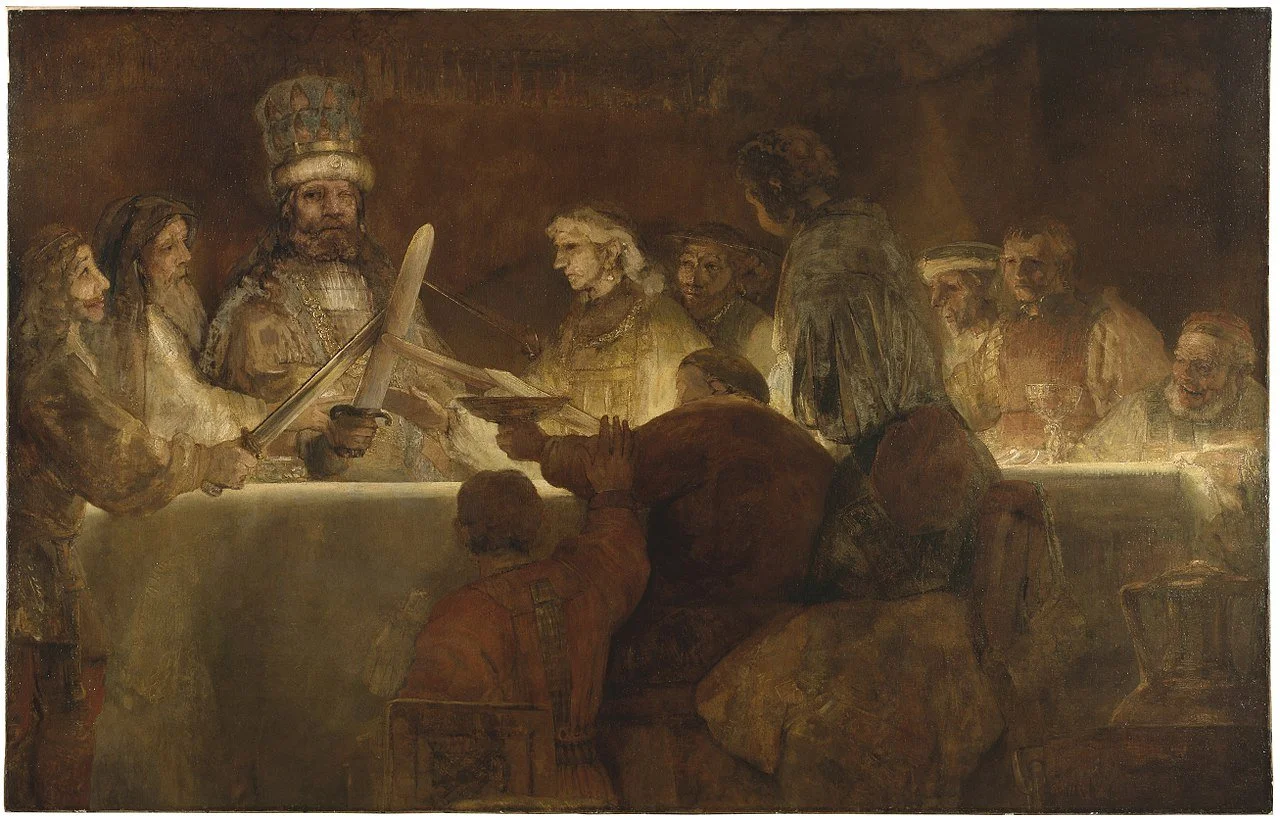
I GAIUS DAVID KENT BATULIS Ra Divine Creator [Enteraconter as in food acounting, Keraconter as in heart accounting, Somataconter as in muscle bone accounting, Pestaconter as in fear accounting if you Special forces experience WORST NIGHTMARE it belongs on a rembrandt painting David Batulis is descended from Leonard Da Vinci who can paint a masterpiece with that WNM in Washington State to make him money at Profee.me just like in 1662 while Sir Henry Vane was held trial and falsely convicted in the English Civil War Rembrandt painted a WNM The Batavi in Gold that forsaw the downfall of the Dutch Golden Era “WE JOIN OUR SABERS TO BRING DOWN THE DUTCH EAST INDIA COMPANY, TO BRING DOWN PIRACY, ANYTHING EVERYTHING TO BRING DOWN THE DUTCH EAST INDIA COMPANY.” where 111 years later as Duke of York King of Prussia Jonas the Great Batavian "Frederick William II" BATULIS of Prussia of Lithuanian of Brandenburg and his son Sir Andrew Jackson the Great Batavian Napoleon Bonaparte II built West Point in New York a classic Batavian style oppidum "bank" with Batavian silver there's still silver in the Mint at West Point
Jonas VAISKUNAS IS APPOINTED HOLY ROMAN DEPUTY EMPEROR TO PAINT THE WORST NIGHTMARE TO REMBRANDTING THE OPPOSITION ROMUVA EXECUTIVE POLICY AGAINST VATICAN OF NAZI VATICAN OF NAZIROME OF NAZI_EUGENIO_PACELLI. AMEN PATER VAIDILA JONAS VAISKUNAS INSPIRE OUR MISSIONARIES TO THE CHURCH OF JONAS DIEVAS OF LATTER DAY SAINTS.